
Recycling Acrylic in the UK: What Every Maker and Business Should Know
You have just finished a laser cutting project, and the bench is buried under a mountain of acrylic offcuts, tiny swarf, and dust. Before you sweep it all into the bin, it is worth asking a simple question: does this really have to end up in landfill? For UK makers and businesses, the answer is increasingly no. Acrylic sheet and Perspex are far too valuable to waste, and a growing network of recycling routes means your scraps can become new material instead of rubbish.
Why Acrylic Recycling Matters in the UK
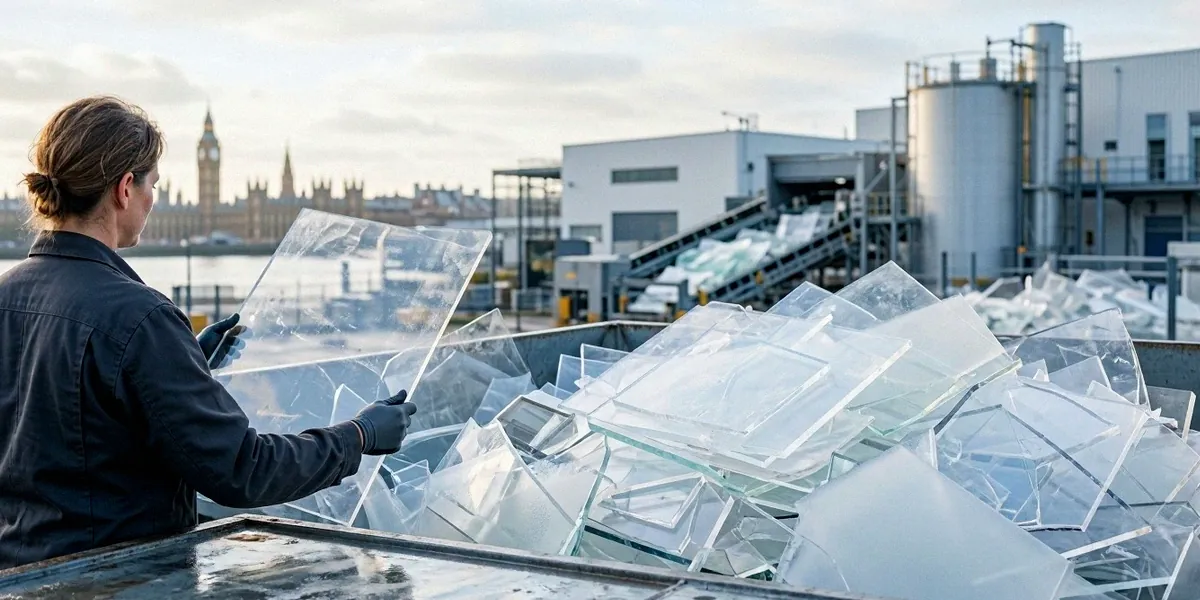
Acrylic, also known as PMMA or Perspex, is a versatile material, but it is not biodegradable. When it goes to landfill, it stays there for decades. As UK makers, we generate a surprising amount of waste, from full sheets that have been mis-cut to the fine dust produced by laser cutting. The good news is that the UK is paying more attention to plastic waste than ever before.
The problem with acrylic in landfill
Acrylic is a thermoplastic, which means it can be melted and reshaped repeatedly without losing its essential properties. When it is buried in landfill, that potential is lost forever. Worse, acrylic production is energy-intensive, relying on fossil fuels. Every sheet we throw away represents wasted energy and raw material. Unlike some plastics, acrylic does not break down quickly, so it contributes to the growing volume of persistent waste in UK landfill sites.
UK regulations and targets for plastic waste
The UK Plastics Pact, led by WRAP, brings together businesses, governments, and NGOs to tackle plastic waste. Its targets include making all plastic packaging reusable, recyclable, or compostable by 2025 and significantly increasing recycling rates. While the Pact focuses heavily on packaging, its influence is spreading to other plastic streams, including acrylic. For makers and fabricators, this means pressure and opportunity: pressure to reduce waste, and opportunity to tap into new recycling services and recycled material markets.
How Acrylic Sheet and Perspex Are Recycled
Recycling acrylic is not a single process. Depending on the quality and type of waste, it can be mechanically recycled or chemically broken down. Major brands like Perspex and Altuglas are investing in both routes to create a more circular supply chain.
Mechanical recycling: shredding and re-extrusion
Mechanical recycling is the most common method. Clean acrylic offcuts are sorted by colour and type, then shredded into small flakes. These flakes are melted and re-extruded into new acrylic sheet or pellets. The resulting material can be used for less demanding applications, such as signage or display stands, where optical clarity is not critical. Mechanical recycling is energy-efficient compared to virgin production, but it requires relatively clean, unmixed waste.
Chemical recycling: back to monomer
Chemical recycling takes a different approach. Through processes like pyrolysis and depolymerisation, acrylic waste is heated in the absence of oxygen to break the polymer chains back into their original monomer, methyl methacrylate (MMA). This monomer can then be polymerised again to create virgin-quality acrylic. Altuglas, for example, has developed depolymerisation processes to recover MMA from waste acrylic. This method can handle mixed or contaminated acrylic that mechanical recycling cannot, but it is more energy-intensive and currently less widespread.
Where to Recycle Acrylic in the UK
Finding a place to recycle acrylic in the UK has become easier, though it still requires a bit of homework. Here are the main routes we recommend to makers and businesses.
Local authority recycling centres
Many household waste recycling centres (HWRCs) accept hard plastics, including acrylic, in their rigid plastic banks. However, policies vary widely by council. Some will take acrylic sheet, while others class it as trade waste and refuse it. We always advise checking with your local council first. If they do not accept acrylic, ask if they know of a nearby commercial recycler.
Commercial acrylic recyclers
Specialist companies like Acrylic Recycling UK offer collection and processing services for acrylic waste. They typically accept offcuts, sheets, and even acrylic dust, depending on the facility. For businesses generating regular waste, a commercial recycler can provide a skip or collection service, often at a lower cost than landfill disposal. These recyclers sort, shred, and either re-extrude the material themselves or sell it on to manufacturers.
Supplier take-back schemes
Some acrylic suppliers operate take-back schemes. Perspex Distribution, for instance, has explored ways to recover offcuts from customers and feed them back into recycling streams. It is always worth asking your supplier if they offer a return service. Even if they do not advertise one, a quick phone call can sometimes open doors.
Recycling Acrylic Waste from Laser Cutting and Fabrication
Laser cutting and fabrication produce two distinct types of acrylic waste: solid offcuts and fine dust or swarf. Each needs different handling.
Managing offcuts and swarf
Solid offcuts are the easiest to recycle. We recommend keeping them separate from other plastics and storing them in clearly labelled bins. Avoid mixing colours if possible, as mixed colours reduce the value of the recycled material. Swarf and dust from laser cutting are trickier. They can be contaminated with oils or debris, and many recyclers will not accept them. However, some chemical recycling processes can handle acrylic dust. If your local recycler cannot take it, consider briquetting the dust or mixing it with a binder for use in lower-grade applications.
Working with fabrication workshops
If you run a fabrication workshop, a little organisation goes a long way. Set up a dedicated acrylic waste area with separate containers for clear, coloured, and contaminated material. Label everything clearly. When you have enough volume, contact a commercial recycler for a collection. For smaller workshops, team up with nearby makers to share a collection, reducing costs and logistics.
Creative Ways to Reuse Acrylic Offcuts
Before you send acrylic to the recycler, consider whether it can be reused. Upcycling saves energy and often produces something beautiful.
Upcycling for small projects
Small offcuts are perfect for jewellery, keyrings, coasters, and miniature display stands. We have seen makers turn colourful Perspex scraps into earrings, brooches, and even decorative wall art. Clear offcuts can be polished and used as small windows or protective covers. The only limit is your imagination.
Donating to schools and makerspaces
Schools, colleges, and makerspaces are often crying out for materials. A box of clean acrylic offcuts can be a goldmine for design and technology students. Donating not only reduces waste but also supports the next generation of makers. Call ahead to check what they can use, and make sure the edges are safe or clearly marked as needing finishing.
The Future of Acrylic Recycling in the UK
The UK acrylic recycling landscape is evolving fast. We are seeing more investment in closed-loop systems and recycled sheet products.
Closed-loop initiatives
Closed-loop systems aim to turn waste acrylic back into new acrylic sheet of the same quality. Brands like Perspex are working on processes that recover and purify acrylic waste, while Altuglas continues to advance depolymerisation. The goal is to reduce reliance on virgin fossil fuels and create a truly circular economy for acrylic.
What to look for when buying recycled acrylic
- Check the recycled content percentage. Some sheets are 100% recycled, while others are a blend.
- Ask about the source of the recycled material. Post-industrial waste is often cleaner than post-consumer.
- Consider optical clarity. Recycled acrylic may have slight colour or clarity variations, which may or may not matter for your project.
- Look for suppliers who offer take-back schemes, so you can close the loop yourself.
Recycling acrylic is a shared responsibility. As makers and businesses, we can all take practical steps: separate our waste, find a local recycler, reuse offcuts creatively, and choose recycled sheet where possible. It takes a little effort, but the payoff is a cleaner, more sustainable workshop and a healthier planet for everyone.
FAQ
Can I put acrylic in my household recycling bin?
Generally, no. Most council kerbside collections do not accept acrylic because it can contaminate other recycling streams. Take it to a household waste recycling centre that accepts hard plastics, or use a commercial recycler.
Does laser cutting dust get recycled?
It can be, but not all recyclers accept it. Acrylic dust is often contaminated, so it may need chemical recycling. Ask your recycler if they handle swarf and dust, and store it separately from solid offcuts.
Is recycled acrylic as good as virgin acrylic?
For many applications, yes. Mechanically recycled acrylic may have slightly lower clarity, but chemically recycled acrylic can match virgin quality. Always check the specifications for your project.
How do I find a commercial acrylic recycler near me?
Search online for “acrylic recycling UK” or contact suppliers like Perspex Distribution for recommendations. Trade associations and local maker networks can also point you in the right direction.
Can I recycle Perspex and Altuglas together?
Yes, both are PMMA-based and can be recycled together, provided they are clean and separated from other plastics. However, different colours should be sorted if possible.