
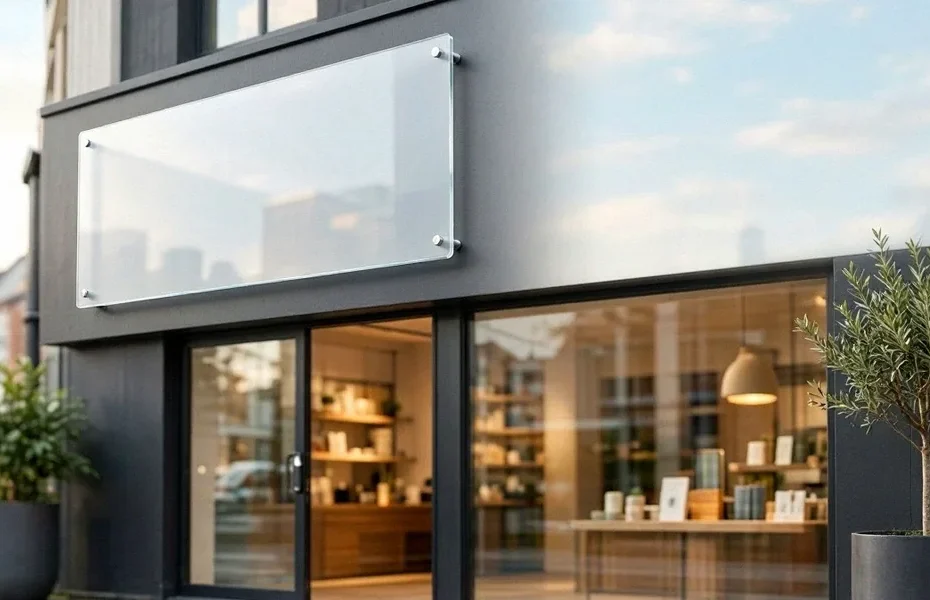
Acrylic Signage for Small Shops: A Practical Guide for UK Makers and Businesses
Walking down a busy high street last month, we stopped outside a small independent bakery. The shopfront itself was nothing remarkable — a standard glass window, a painted door, a modest awning — but the sign above it was immaculate. Crisp white lettering on a glossy black panel, catching the afternoon light, with a subtle LED glow behind it. That single acrylic sign lifted the whole shop’s curb appeal in a way that paint or vinyl never could. It got us thinking about how many independent retailers underestimate what a well-made sign does for footfall, and how straightforward acrylic signage actually is to specify, fabricate, and install. This guide walks UK makers and business owners through everything from choosing the right sheet to mounting it on a listed high street façade.
Why Acrylic Signage Works for Small Shops
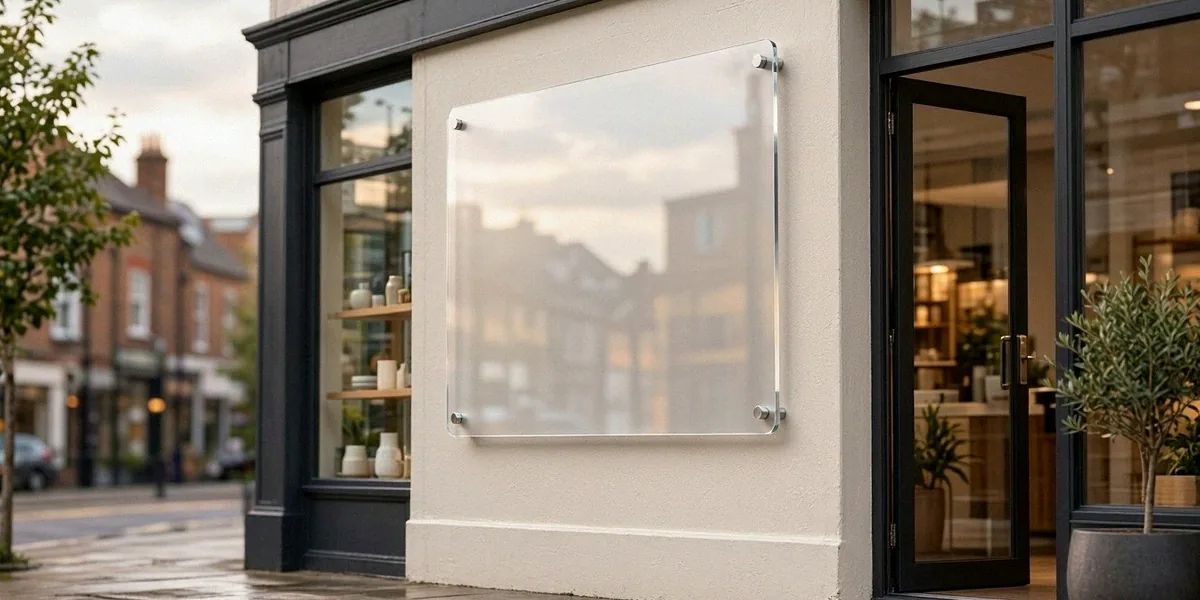
Acrylic sheet has quietly become the default material for shop signage across the UK, and there are good reasons for that. It sits in a useful middle ground: tougher than glass, lighter than metal, and far more versatile than either when it comes to shaping, colouring, and lighting.
Durability and Weather Resistance
British weather is unforgiving. Rain, frost, UV exposure, and the occasional heatwave all take their toll on signage materials. Acrylic handles all of it well. It resists yellowing from UV light far better than cheaper plastics, won’t shatter like glass if struck, and can be formulated with impact modifiers for high-traffic locations. A 5mm cast acrylic panel mounted correctly will typically hold its appearance for a decade or more outdoors. Perspex, the leading brand of acrylic sheet in the UK, is a common choice for exactly this reason — fabricators trust its consistency batch to batch.
Cost-Effectiveness for Independent Retailers
For a small shop, budget matters. Acrylic sits comfortably below glass and fabricated metal on price while outperforming both on weight and ease of working. A modest fascia sign in 5mm acrylic might cost a fraction of the equivalent in brushed stainless steel, and because it’s lighter, installation is simpler and cheaper too. There’s no need for heavy-duty fixings or structural reinforcement in most cases.
Design Flexibility and Branding
Acrylic can be cut into almost any shape, bent, polished, printed, etched, and lit from behind. That flexibility means a sign can carry a brand’s personality rather than just its name. We’ve seen everything from laser-cut script lettering to layered 3D logos with coloured backing panels. For retailers who want their shopfront to feel considered rather than generic, acrylic is hard to beat.
Choosing the Right Acrylic Sheet for Your Sign
Not all acrylic is the same. The sheet you choose will affect how the sign looks, how long it lasts, and how much it costs to fabricate.
Cast vs Extruded Acrylic
Cast acrylic is made by pouring monomer between glass plates, while extruded acrylic is pushed through a die. Cast sheet offers better optical clarity, superior chemical resistance, and machines more cleanly — which matters if you’re laser cutting detailed lettering. Extruded acrylic is cheaper and more uniform in thickness, making it a good fit for simple flat panels and budget-conscious projects. For most shop signage, we’d lean towards cast.
Thickness and Size Considerations
Common thicknesses for signage run from 3mm to 10mm:
- 3mm — ideal for small internal signs, window panels, and acrylic displays where weight matters.
- 5mm — the workhorse thickness for most shop fascia signs and medium-format lettering.
- 8mm — good for larger signs and any panel that needs to feel substantial.
- 10mm — used for premium signage, 3D letters, and standoff-mounted panels.
Sheet sizes typically run up to 2440mm x 1220mm, though larger panels can be joined or sourced on request. Anything wider than about 1.5 metres will usually need additional support to prevent bowing.
Finishes: Clear, Frosted, Mirrored, and Coloured
Finish is where a sign starts to feel like a brand asset. Clear acrylic gives a clean, modern look and works beautifully with backlighting. Frosted or satin finishes diffuse light and offer a softer, more understated appearance — useful for professional services. Mirrored acrylic mimics glass mirror at a fraction of the weight and is popular for salon and boutique signage. Coloured acrylic, available in hundreds of shades, lets you match a brand palette exactly. Perspex and other UK suppliers stock a wide range, including opal, fluorescent, and metallic finishes.
Fabrication Techniques: Laser Cutting and Beyond
How your sign is made determines how sharp it looks and how well it ages. There are three core techniques worth understanding before you brief a fabricator.
Laser Cutting for Precision and Detail
Laser cutting is a precise method for cutting acrylic signs, and it’s the technique we’d recommend for anything with fine detail — script lettering, intricate logos, or tight internal cut-outs. A focused laser beam produces a polished, near-flame-finished edge on cast acrylic, which means less post-processing. It’s also fast and repeatable, so if you need ten identical window signs, they’ll all match. Most UK fabrication services offer laser cutting as standard.
CNC Routing for Larger Signs
For larger panels or thicker material, CNC routing is often the better option. A rotating cutting bit follows a digital path, cutting shapes, bevelling edges, and engraving recesses. CNC routing handles sheets that would be awkward on a laser bed and can cut deeper profiles, which is useful for 3D lettering and layered signage.
Edge Finishing: Flame Polishing and Sanding
Cut edges on acrylic are the giveaway of a cheap job. Flame polishing uses a fine hydrogen-oxygen flame to melt the edge to a glass-like clarity — quick, but it requires skill and only works on certain acrylics. Sanding and buffing is slower but more controllable, producing a uniform satin or high-gloss finish. For premium signage, always ask what edge finish is included.
Design Tips for Eye-Catching Shop Signage
Good fabrication can’t rescue poor design. These are the principles we return to again and again when briefing signage for small retail spaces.
Typography and Legibility
Signage is read at distance, often in motion. Stick to two typefaces at most, prioritise weight and clarity over novelty, and remember that letter spacing matters more on acrylic than on paper because of how light interacts with the surface. A common rule of thumb: 25mm of letter height for every 3 metres of viewing distance.
Colour Contrast and Branding
Contrast drives readability. Dark lettering on a light background, or vice versa, will always outperform mid-tone combinations. If you’re matching brand colours, test them on an actual acrylic sample before committing — colours shift under different lighting, and a shade that works on screen can look flat on a glossy panel.
Illumination Options: LED and Backlighting
Illuminated signs extend trading hours visually and stand out at dusk. Options include edge-lit LED panels (where light enters from the side and bounces through the sheet), halo backlighting (which creates a glow behind 3D letters), and full face-lit boxes. Acrylic displays are commonly used in retail windows precisely because they carry light so well, and the same principle applies to signage above a door.
Installation and Maintenance for UK Shops
Getting the sign onto the wall correctly is what protects the investment. It’s also where UK high street regulations come into play.
Mounting Methods: Standoffs, Brackets, and Adhesives
The three most common approaches are:
- Standoff fixings — metal barrels that hold the panel away from the wall, creating a floating effect. Ideal for premium signage.
- Brackets and Z-clips — discreet and secure, good for larger panels that need ventilation behind.
- Adhesive mounting — cleanest look, but requires a flat, sound surface and the right adhesive for the substrate.
Cleaning and Care
Acrylic scratches easily if cleaned incorrectly. Use a soft microfibre cloth and a mild soapy solution or a dedicated acrylic cleaner. Never use ammonia-based glass cleaners, abrasive pads, or dry dusting — all of which leave micro-scratches that dull the surface over time. For outdoor signs, a monthly wipe-down is usually enough.
Compliance with UK Signage Regulations
UK high streets often have regulations on signage size and illumination, particularly in conservation areas and on listed buildings. Planning permission may be required for illuminated signs, projecting signs, or anything above a certain size. Always check with your local council before ordering — the rules vary considerably between boroughs, and retrospective applications are far more painful than getting it right first time.
Costs and Where to Source Acrylic Signage in the UK
Pricing depends on size, thickness, complexity, and finish, but here’s a rough sense of what to expect.
Typical Price Ranges
- Small window signs (up to 300mm): £25–£80
- Medium fascia signs (600–1200mm): £120–£400
- Large or illuminated signs (1.5m+): £500–£2,000+
- 3D lettering: priced per letter, typically £15–£60 each
UK Suppliers and Fabricators
Plastic fabrication services in the UK offer custom acrylic signage as a core service, and most will handle design, cutting, finishing, and delivery as a package. Perspex distributors operate nationwide, and online marketplaces like Cut My Plastic and Simply Plastics cater to smaller DIY orders. For anything with intricate detail or lighting, a specialist fabricator is worth the premium.
DIY vs Professional Fabrication
If you’re cutting simple rectangles from 3mm sheet, DIY is realistic with the right tools. But laser cutting, flame polishing, and illuminated assembly are best left to professionals — the equipment cost and skill required rarely justify going it alone for a one-off sign.
FAQ
Is acrylic better than glass for shop signage?
For most small shops, yes. Acrylic is lighter, less likely to shatter, easier to fabricate, and significantly cheaper to replace. Glass still wins on scratch resistance and a certain premium feel, but the practical advantages of acrylic outweigh that for retail signage.
How long does an outdoor acrylic sign last in the UK?
A well-made 5mm cast acrylic sign, correctly mounted and cleaned periodically, will typically last 10 to 15 years outdoors. Cheaper extruded sheet or poorly finished edges will degrade faster.
Can I laser cut acrylic at home?
Only with a suitable laser cutter and proper ventilation — acrylic fumes are unpleasant and potentially hazardous. For most shop owners, commissioning a UK fabrication service is safer, faster, and produces a better result.
Do I need planning permission for an illuminated acrylic sign?
Often yes. Illuminated signage, projecting signs, and anything above the permitted size for your area usually requires consent. Check with your local council’s planning department before you order.
What’s the best way to clean a Perspex sign?
Use a soft microfibre cloth with lukewarm soapy water or a purpose-made acrylic cleaner. Avoid ammonia-based products, paper towels, and abrasive sponges, all of which can scratch or cloud the surface.
Investing in quality acrylic signage is one of the smartest moves a small shop can make. It sharpens your brand, protects your shopfront for years, and signals to passing trade that you take your business seriously. Whether you’re commissioning a laser-cut fascia or adding a simple window panel, the principles in this guide will help you brief a fabricator with confidence. For more detail on cutting, finishing, and installing acrylic sheet, explore our full fabrication guide.